Compression Moulding
What is compression moulding?
Compression moulding uses a combination of heat, pressure and tooling to obtain plastic parts.
How does it work?
The thermosetting granules are fed into a heated mould, and pressure is applied via a ram to force the material into the cavities of the mould. Heat and constant pressure are applied during the moulding process whereby chemical reactions occur and crosslinking of bonds within the material takes place.
As compression moulding machines (such as a heated press) must bring material up to a pre-determined temperature to cure, the process is slower than injection moulding, particularly for larger parts or components. The technique is also slightly more labour intensive as it requires the manual removal of the part from the machine and any excess flash disposed of. However, the aperture of the mould is generally larger than the comparable injection moulding machine, so there is generally less waste during loading.
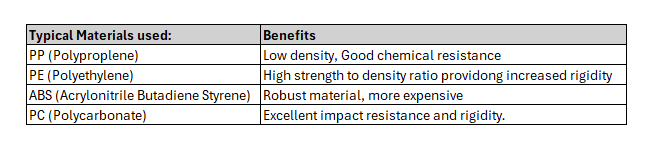
Typical materials used are:
- Resins based on phenol-formaldehyde
- Epoxy
- Polyester
- Melamine
- Urea-formaldehyde
- Polyurethane and alkyds
Advantages of Compression Moulding
Thermosetting compounds are extremely robust. Once they have cured, they cannot be reshaped or melted down and reused. This makes them particularly useful for harsh environments and less likely to warp, weaken, shrink or creep when exposed to heat, load or repetitive long term use. They are also very cost efficient, durable and lightweight and can be employed in both domestic and industrial applications.
Compression moulding is used to produce highly durable and dimensionally stable parts and technical components, which need to be particularly robust due to the environment/application for which they will be used.
What industries use compression moulding?
Key industries include the automotive and aerospace industry, for medical devices, fire and impact resistant safety equipment, electrical housings, specialty products to replace metal castings and leisure applications such as crown green bowls.
Can a thermosetting product that is typically used for compression moulding, be used for an injection moulding application?
Possibly, under the right conditions.
A compression moulding compound can be adapted for injection moulding on the basis that its flow behaviour, cure kinetics, filler loading and thermal stability are suitable.
As we have now learned, compression grades are commonly formulated to flow under relatively low shear and then cure in a hot mould under pressure, whereas injection moulding eposes the material to much higher shear and pressure and significantly, a longer heated flow path.
Prior to attempting to do so, the following must be considered:
- Flow length and viscosity – the compound needs enough flow to fill the cavity.
- Cure speed – potential issue with pre-cure at barrel/nozzle temperature or even scorch prior to reaching the mould.
- Physical form of filler system – long fibres, high mineral loading or coarse fillers can restrict flow resulting in unwanted pre-cure. Resolved by increase in injection pressure.
- Physical form of moulding compound – the physical form of the material, whether this is powder, preforms or coarse granules, may not reliably feed through an injection moulding machine.
To successfully mould via an injection system, the compression grade will have to be modified to suit. This would require modifications to flow characteristics (both in raw and heated form) and cure profile. Failure to do so can result in blockages, premature curing and excessive shear heating.
Glassbond’s History
Glassbond (NW) Ltd have been producing thermosetting moulding compound materials using phenol-formaldehyde and melamine resins for more than 40 years from their site in St Helens, Merseyside. Originally manufactured using phenol-formaldehyde resin combined with various fillers, lubricants and black dyes, these products were sold in the UK to manufactures of electrical components and switchgear, domestic goods, printing plates, defence applications and naturally, crown green bowls manufacturers, primarily in black or brown.
Glassbond Today
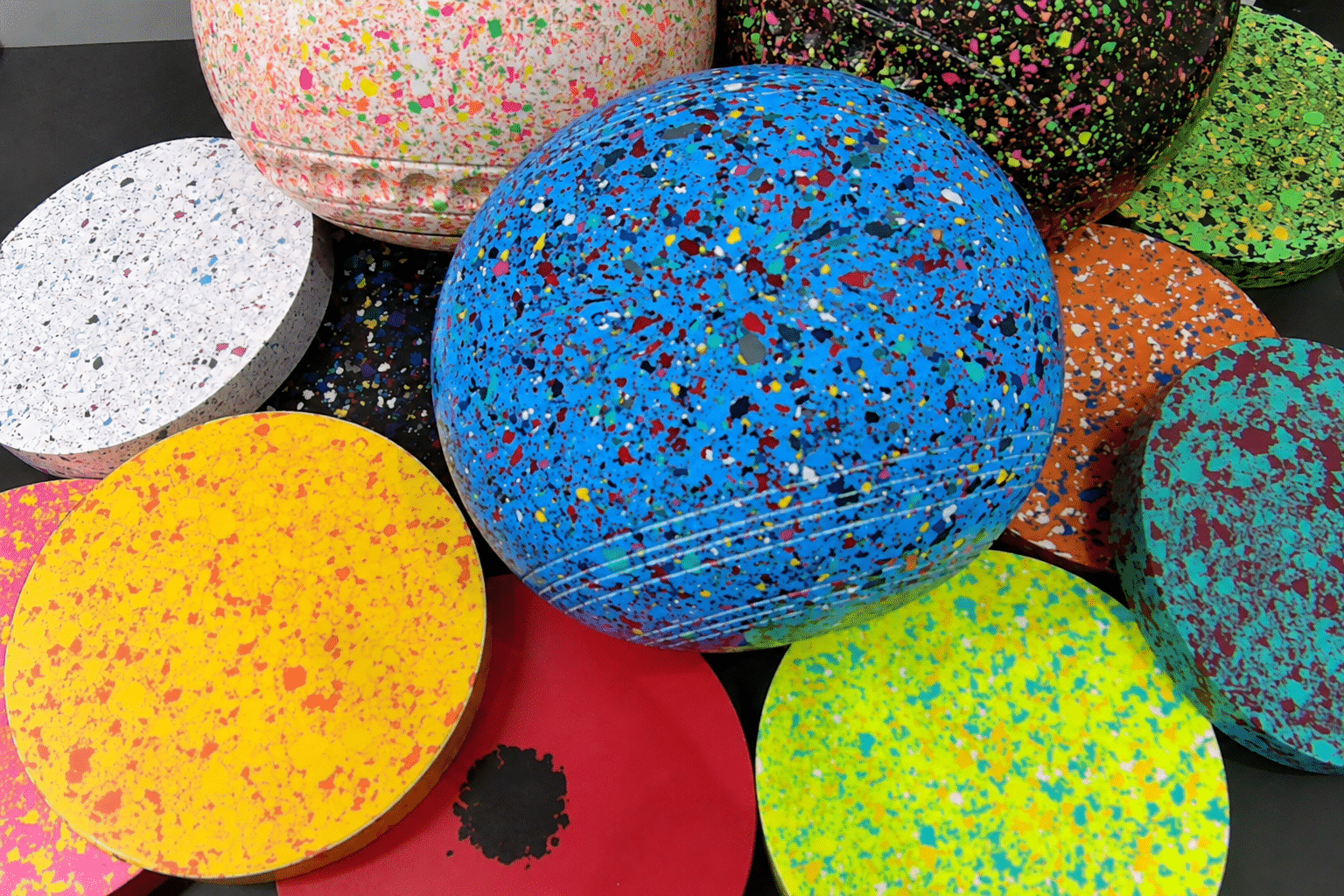
Today we have a full rainbow of colours using UV stable melamine resin products and pigments available, including a fluorescent range. This gives the user more choice to mould a wide range of items from car parts, handles for cutlery and of course flat green bowls. All our thermosetting moulding compounds are available in a range of pack sizes, single colours or bespoke multi-colour blends and all manufactured at our ISO accredited site in the North West of England.